
pregnancy, Women's Health

Safe Exercise Tips for a Healthy Pregnancy

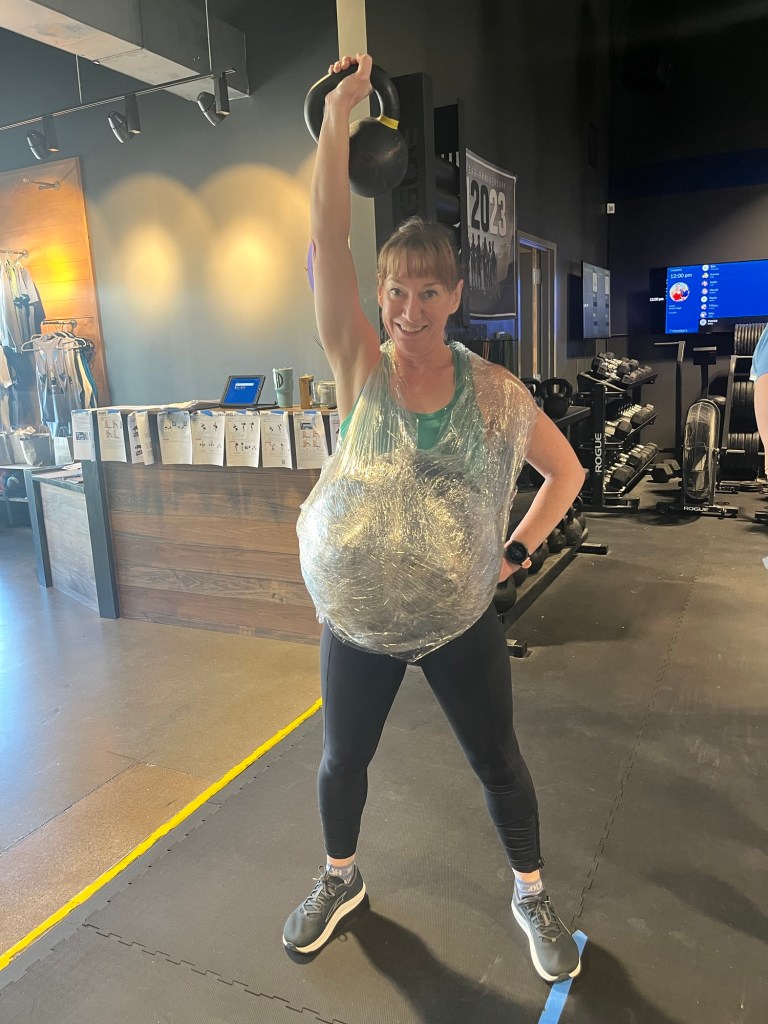
I recently showed up to my gym for what I thought was a regular class, only to find out it was a pregancy inspired workout in honor of one of our pregnant classmates. So we all strapped on wallballs (mine weighed 14 pounds) and proceeded to do a variety of sprints, pullups and kettlebell swings.

It remided me how challenging it can be to exercise with a bump, but also how important it is to stay as active as you can through the process.

Exercise during pregnancy has shown to help reduce excess weight gain, preeclampsia, c-section and the risk for gestational diabetes. Additionally, exercise in pregnancy and phyical activity postpartum can reduce your risk of postpartum depression.

Current recommendations for healthy women by the US Department of Health and Human Services:

  • Healthy women who are not already highly active or doing vigorous-intensity activity should get at least 150 minutes of moderate-intensity aerobic activity a week during pregnancy and the postpartum period. Preferably, this activity should be spread throughout the week {i.e. 30 minutes, 5 days a week as a goal}.
  • Pregnant women who are highly active can continue physical activity during pregnancy and the postpartum period assuming that they remain healthy and discuss with their healthcare provider how and when activity should be adjusted over time.

So how does this translate into real life?

6 Tips for Safe Exercise During Pregnancy

1. Start slow. Even if you haven’t been previously active; walking, pilates  and swimming are great activities that you can safely start during pregnancy. Begin with 10-15 minutes a day and add 5 minutes a week until you reach 30 minutes a day.

2. Don’t fall down. Activities such as horseback riding, skiing, box jumps and hockey which have a high risk of falling or trauma should be avoided after the first trimester.

3. Don’t push it. If during exercise you begin experiencing chest pain, contractions or vaginal bleeding, then stop and consult your doctor. Generally, 25 pounds should be your lifting limit, however, take your pre-pregnancy conditioning regimine into account. An example being a crossfitter who can normally squat 250 lbs could probably lift 150 lbs without straining, whereas a non-athlete may feel strained when lifting 20 lbs.

4. On a scale of 1 to 10, you want to workout with an exertion level of 6 to 7. You want to have your heart rate up, but still be able to talk during the activity. Ideally exercise 30-60 minutes a day.

5. Check with your doctor if you are a professional/competitive athlete {if you work out more than an hour a day} so she can help to determine the safety of your specific situation.

6. Don’t lay flat after 20 weeks. Cardiovascular changes in the body and the position of the uterus reduce the blood flow to the uterus if you lay flat after 20 weeks.

Pregnancy complications that make exercise contraindicated:

  • Heart disease
  • Severe lung disease
  • Cerclage
  • Preterm labor {in current pregnancy}
  • Placenta previa {> 26 weeks}
  • Unexplained vaginal bleeding
  • Preeclampsia

If you are active when you start pregnancy, that is great. Continue your routine throughout pregnancy, if you have no contraindications. If you are not active, look for ways to get moving and incorporate exercise into your daily activities.
Motherhood

5 Lessons I Learned From Writing a Book

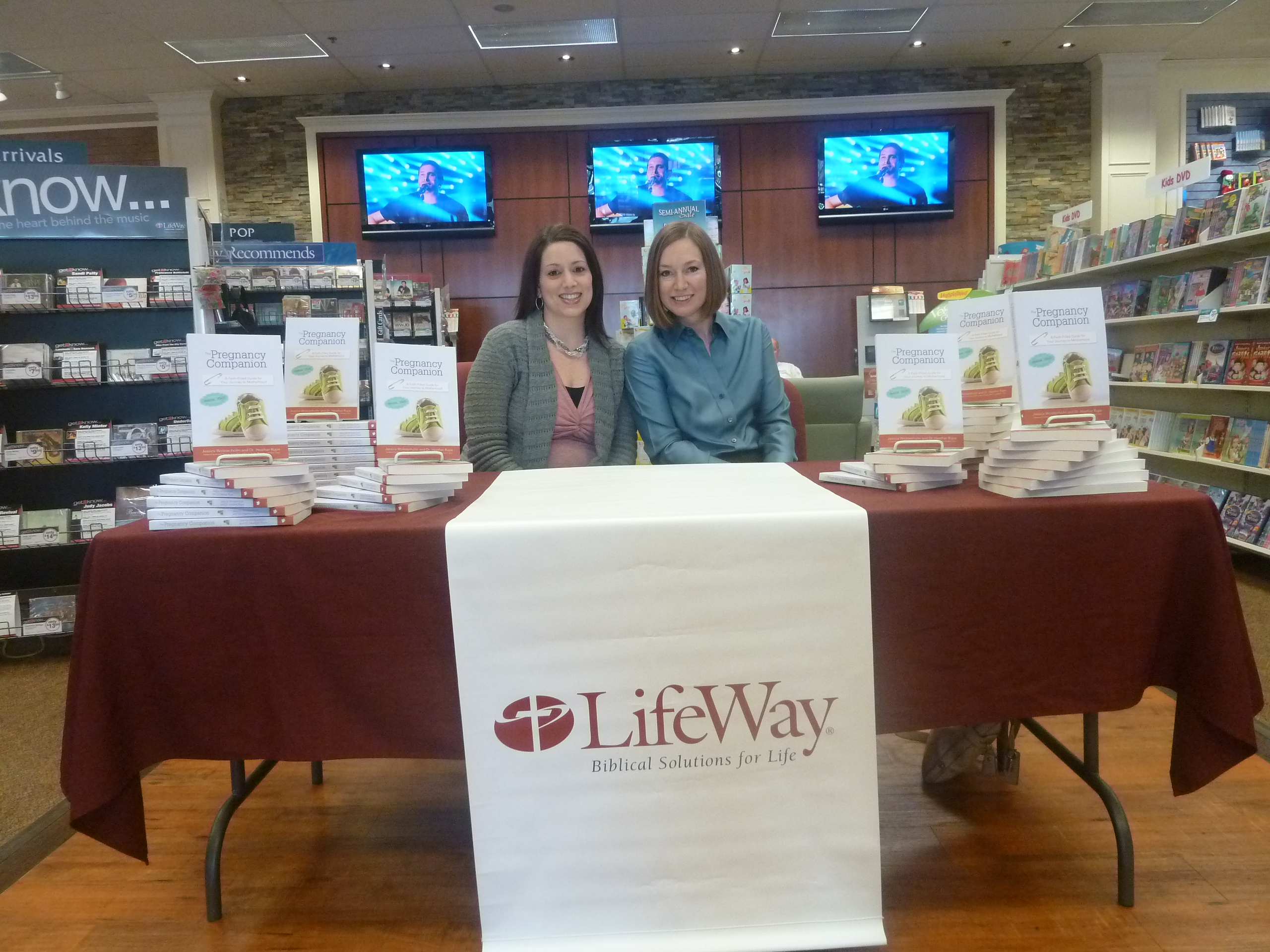
Jessica and I at our first book signing. Feb 2011

I recently came across a bunch of pictures from our book signing and was reminded of this post which was originally published as a guest post on Jon Acuff’s (non defunct) blog. I pored so much of myself into the Pregnancy Companion manuscript, that thinking back to the excitement of the book signing brings a nostalgic smile to my face and fills my heart with warm fuzzies. So here’s what I learned from writing a book:


Three years ago, 5 days after bringing a new baby home from the hospital, I signed my first book deal. I was deliriously excited at two dreams coming true at once. In hindsight, I no idea what craziness lay ahead. Luckily, I learned a lot along the way.

  1. You find the time for what’s important

Writing a book is a staggering amount of work, but I’m used to hard work. See, I went to medical school for a zillion years. But working full time, with a newborn and a deadline felt overwhelming. I’m a morning person so I was up at 4 every morning to write furiously before work. Those months were fueled by caffeine and adrenaline, but amazingly worth it.

  1. The rewrites never end

“Working on my final round of edits today . Almost done!” was my facebook status about 900 times. I knew there would be edits, but by the 6th round, the thought of reading the manuscript one more time made me cringe.

  1. You can’t please everyone

The publishing experience takes this platitude to the extreme. I co-wrote a Christian Pregnancy Book. Mainstream Christian publications felt it wasn’t Christian enough (we actually mentioned *GASP* birth control). Secular media felt it was too religious. Different editors gave us opposite feedback. Eventually, we wrote the book that we believed would be most helpful to pregnant moms, and based on the response we get from them, we are pleasing the right people.

  1. Buy Books.

Previously I was a fan of borrowing books or checking out the library; now I buy books. All the time. I appreciate how extremely challenging it is to sell books. If I am ever at a book store and there is a signing going on, I stop what I’m doing and get in line. If the author has no line, I will stop and talk with him indefinitely, feigning interest in the subject, no matter how lame. “Oh a book about a civilization of bunnies, you say? How interesting!” Having been on the lonely side of a signing table, I know the awkward angst of sitting sadly with a fake smile hoping someone will stop by.

  1. My Definition of Success

I am an OB/GYN with a successful practice. My life has not been tainted with failure. When I got a book deal, I assumed that this venture would be met with the success that I’d grown accustomed to in life. Not because I was cocky, (OK, I’m a surgeon, so by definition I am slightly cocky) but because I felt it was a really great idea, and I was naive.  Despite the fact that everyone related to me thought my book was awesome, it was not the best seller I’d hoped it would be. It hasn’t even sold 10,000 copies. But it has helped people and genuinely made a difference in some women’s lives. That is why I wrote it and truly what is important to me. I had hoped it would impact women and be a best seller, but that is not the case. When I get discouraged, the royalty updates from my publisher go in the shredder. But the thank you notes from the people we’ve touched…those stay in a folder to remind me of my new definition of success.

Writing a book did not change my life or make me a millionaire. It did teach me that time management is key, that you can always find time for what’s important, and that success is best measured one person at a time.