pregnancy, Women's Health

Safe Exercise Tips for a Healthy Pregnancy

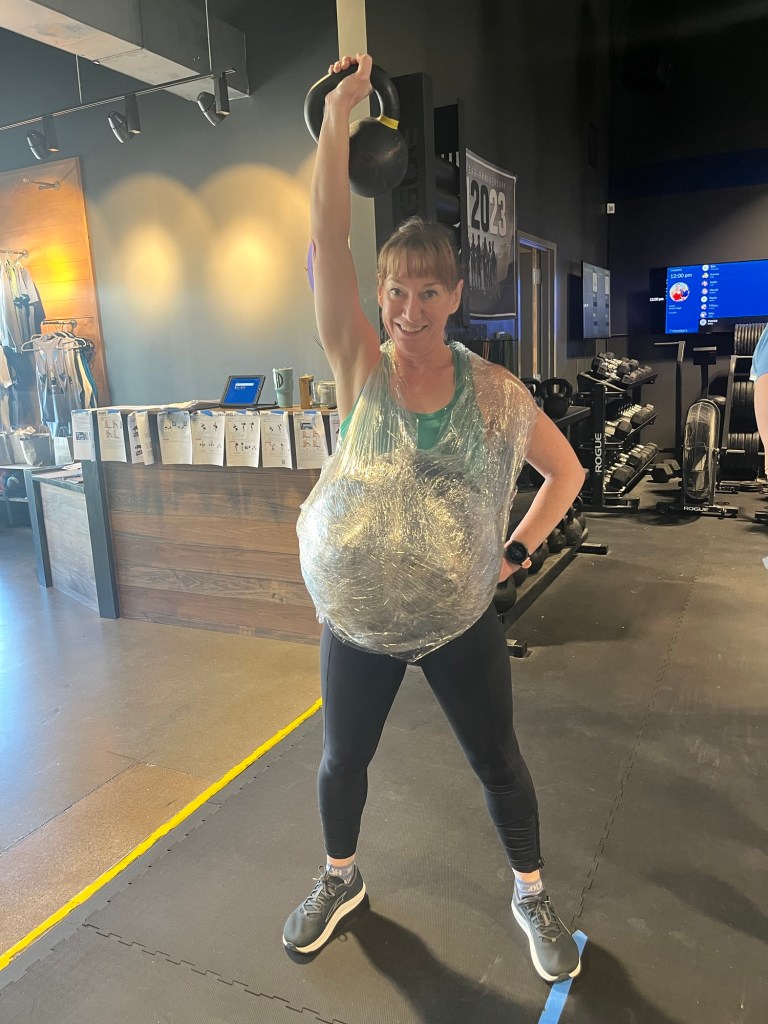
I recently showed up to my gym for what I thought was a regular class, only to find out it was a pregancy inspired workout in honor of one of our pregnant classmates. So we all strapped on wallballs (mine weighed 14 pounds) and proceeded to do a variety of sprints, pullups and kettlebell swings.

It remided me how challenging it can be to exercise with a bump, but also how important it is to stay as active as you can through the process.

Exercise during pregnancy has shown to help reduce excess weight gain, preeclampsia, c-section and the risk for gestational diabetes. Additionally, exercise in pregnancy and phyical activity postpartum can reduce your risk of postpartum depression.

Current recommendations for healthy women by the US Department of Health and Human Services:

  • Healthy women who are not already highly active or doing vigorous-intensity activity should get at least 150 minutes of moderate-intensity aerobic activity a week during pregnancy and the postpartum period. Preferably, this activity should be spread throughout the week {i.e. 30 minutes, 5 days a week as a goal}.
  • Pregnant women who are highly active can continue physical activity during pregnancy and the postpartum period assuming that they remain healthy and discuss with their healthcare provider how and when activity should be adjusted over time.

So how does this translate into real life?

6 Tips for Safe Exercise During Pregnancy

1. Start slow. Even if you haven’t been previously active; walking, pilates  and swimming are great activities that you can safely start during pregnancy. Begin with 10-15 minutes a day and add 5 minutes a week until you reach 30 minutes a day.

2. Don’t fall down. Activities such as horseback riding, skiing, box jumps and hockey which have a high risk of falling or trauma should be avoided after the first trimester.

3. Don’t push it. If during exercise you begin experiencing chest pain, contractions or vaginal bleeding, then stop and consult your doctor. Generally, 25 pounds should be your lifting limit, however, take your pre-pregnancy conditioning regimine into account. An example being a crossfitter who can normally squat 250 lbs could probably lift 150 lbs without straining, whereas a non-athlete may feel strained when lifting 20 lbs.

4. On a scale of 1 to 10, you want to workout with an exertion level of 6 to 7. You want to have your heart rate up, but still be able to talk during the activity. Ideally exercise 30-60 minutes a day.

5. Check with your doctor if you are a professional/competitive athlete {if you work out more than an hour a day} so she can help to determine the safety of your specific situation.

6. Don’t lay flat after 20 weeks. Cardiovascular changes in the body and the position of the uterus reduce the blood flow to the uterus if you lay flat after 20 weeks.

Pregnancy complications that make exercise contraindicated:

  • Heart disease
  • Severe lung disease
  • Cerclage
  • Preterm labor {in current pregnancy}
  • Placenta previa {> 26 weeks}
  • Unexplained vaginal bleeding
  • Preeclampsia

If you are active when you start pregnancy, that is great. Continue your routine throughout pregnancy, if you have no contraindications. If you are not active, look for ways to get moving and incorporate exercise into your daily activities.
Uncategorized, Women's Health

Staying Strong and Healthy as You Age

 Statistically as women age, they tend to gain weight.  This is caused by multiple factors, not just menopause. Life is busier and more stressful. Overall activity levels decline, and muscle mass can begin to decrease. However, the hormonal changes of menopause and perimenopause, with their tendency to make us gain weight around our midsection, do not help either.

There is no “ideal” body weight. Your goal is to be the healthiest version of yourself as you age. You want to be strong and not frail. You want to avoid osteoporosis, hypertension, diabetes and heart disease. Yes, we all want to look and feel good, but lets focus on our health and not a number on a scale.

Some patients are truly in a unhealthy place. If your BMI is greater than 30 and you have medical conditions affected by your weight, then there is no time like present to accept that you need to find a way to embrace healthy lifestyle changes. The choices you make today will greatly affect your quality of like in the coming decades.

For other patients the extra 10 pounds of perimenopause may be more of a vanity issue. If you have a healthy BMI and no medical concerns, then you have to decide if you are willing to go to the workout and diet extremes it takes to maintain your perceived goal weight or if you can accept your new normal. Most of us in our forties don’t have the time or energy to exercise 2 hours a day and count every calorie that passes through our lips.  

Below are the best evidence based strategies to maintain a healthy weight as you mature in life.

1. Mediterranean Diet

The best eating plan for perimenopause has been debated, but the latest research supports Mediterranean style eating.  This including lots of vegetables and lean proteins.

Daily Goal-

  • 5-7 servings of fruits and vegetables
  • Protein 1- 1.5 g/ day (i.e. If you weigh 100kg then you should eat between 100-150 grams of protein each day)
  • Limit sugar and simple carbs

2. Increase Fiber to 25-30 g / day

Fiber does many things including encouraging healthy intestinal bacteria, helping you feel full longer and reducing constipation.

Some high fiber foods include:

  • High fiber cereal (the most fiber is in Kelloogs Bran Buds)
  • Oatmeal, chia seeds
  • Raspberries, dates
  • Almonds
  • Beans, lentils,chickpeas

3. Good Quality Sleep

Poor sleep adds to elevated stress hormones (cortisol) which can cause you to store fat around your abdomen. Poor sleep also makes you hungrier the next day

Strategies to help with sleep:

  • Reducing alcohol
  • No caffeine after noon
  • No screens for 30 min before bed
  • Taking a magnesium supplement (magnesium glycinate 400mg with evening meal)
  • Taking a warm bath before bed
  • Keeping your bedroom cool or using a cooling bed pad
  • Apps – Headspace. iRest.
  • Menopausal hormone therapy

4. Exercise

We should all be moving our body at least body 30 minutes a day. Walking, Zumba, biking, spin, aerobics, running or whatever works for you. Exercise helps your heart, mood, and sex drive, and prevents osteoporosis.

However, if you are only doing cardio, you will likely begin to lose muscle as you approach menopause, so you need to add some type of weight training to your routine to build muscle and improve your metabolism. If the thought of lifting traditional weights seems boring, intimidating, or not feasible in your schedule there are many other options available. I personally recommend a crossfit style workout because it combines your cardio and weight training, and while it might seem intimidating at first, it can be scalable to all ages and fitness levels. Yoga may be more your style. Types of yoga that really engage your muscles and core (like power yoga or vinyasa) can also help with your strength and metabolism. Yoga has also been shown to reduce other menopausal symptoms like brain fog, hot flashes, and insomnia.

5. Limit alcohol to 1 serving/ day

Your body has less tolerance for alcohol as you age. It can affect sleep, increase risk of osteoporosis and dementia. Much like our food serving size,  alcohol serving sizes have increased over the years. One “serving” of alcohol is 6 oz of wine, 12 oz beer or 1.5  oz of liquor. 

6. Supplements

There is a lot of misinformation about supplements, especially in menopause. Currently the only recommended supplement is Vit D 800 IU/ d.

Ideally you should try to get 1000mg/d (premenopause) or 1200mg/d (postmenopause) of calcium from your diet. If you are not able to get adequate calcium from your food intake, then a calcium supplement is recommended as well.

Tip: Low fat Greek yogurt and cheese are great sources of calcium and protein.

Perimenopause is awesome opportunity to set a healthy tone for the second half of your life. It’s not a time for yo-yo diets and self loathing, but a time to objectively look at your health and make the best choices you can. Increase your veggies, put down that second glass of wine, add in some weight training and see your PCP for a check up; because you only live once and you want that once to be an awesome healthy fulfilling life.

Resources:

“MyFitnessPal”  is a free app that will allow you to track your fiber/ protein/ calories.

Weight Loss for the Last Time by Dr. Katrina Ubell has good strategies for making healthy habits and dealing with stress eating. (I don’t agree with her recommendation for intermittent fasting.)

Menopause Manifesto by Dr. Jen Gunter. Good overall menopause information.

pregnancy

Best Treatments for Constipation During Pregnancy

Pregnancy can be a beautiful, glowing, almost magical experience at times. Then other times, not so much; like when you are so constipated it feels like you are pooping glass. Constipation is an extremely common symptom of pregnancy thought to be caused by the slowing of the gastrointestenial tract and then pressure on the colon from the enlarging uterus. Constipation in pregnancy is extermely common and can lead to wporsening hemprrhoids and painful retctal fissures. The good news is it can usually be treated with dietary changed and medication that are safe in pregnancy.

  1. Drink your water. Your body needs moisture to process the waste of your colon, so getting adequate fluid intake is goal number one. If you struggle with constipation you should aim for 60-80 oz of water a day.
  2. Eat more fiber. Adults should aim for 25 g of fiber a day in their diet. Common food sources of fiber include:
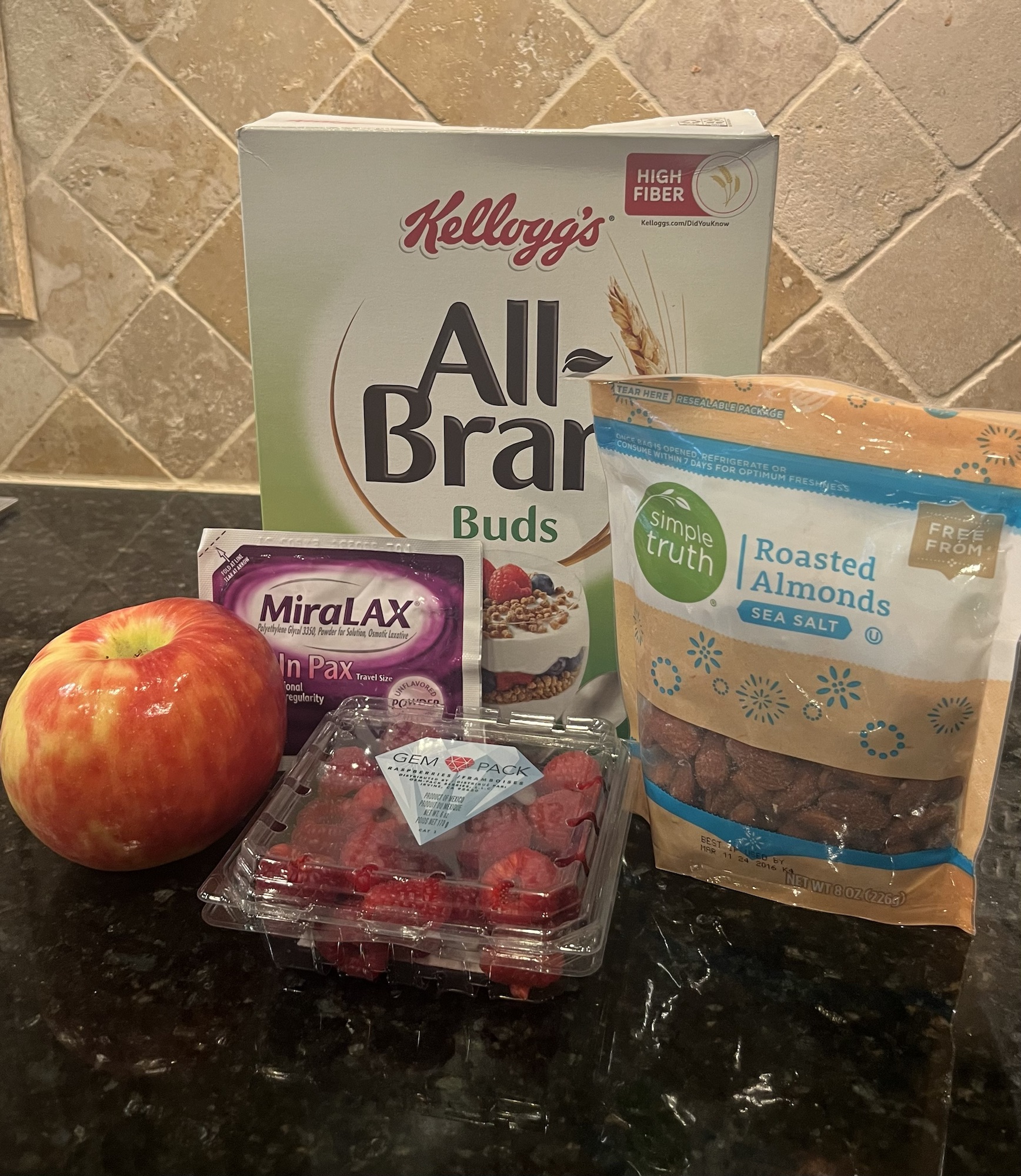
    • Fiber cereal (Kellogg’s Brans Buds has the most fiber that I have found)
    • Oatmeal, chia seeds, quinoa
    • Berries (specifically raspberries)
    • Almonds
    • Dates, prunes, prune juice
    • Beans, lentil, chick peas
  3. Take a fiber supplement or can use this do-it-yourself version that has been studied in pregnancy and works well:
    • Mix together and take 2 tablespoons twice a day 
      • 1 cup unprocessed wheat bran or millers bran
      • 1 cup applesauce
      • ¼ cup prune juice
  4. Exercise. Exercise is good for most everything, including your colon. It is recommended to get 30 minutes of aerobic exercise a day during pregnancy. Walking, jogging, elliptical or whatever your cardio or choice. The goal is an exertion level of 6-7, so exercising to the point you are breathing heavy but not to the point that you cannot talk.
  5. Coffee. It is considered safe to have up to 200 mg of caffeine a day, so if coffee helps you go, then that is still an option.
    • Docusate sodium (Colace) 100mg ; 1-3  daily
    • Polyethylene glycol (Miralax)
  6. Stool softeners: You can take stool softeners daily throughout pregnancy if needed. If you struggle with constipation you likely will want to start on these daily and not wait until you have severe symptoms.
  7. Laxative: If you have tried all the above and you are still struggling, Magnesium Hydroxide (Milk of Magnesia) is another option. Warning this medication may cause more cramping and a more “aggressive result”.

If you try these options (you can also combine them) and still are not getting relief; then talk to your doctor, as their are prescrition strength options as well for constipation if needed.