pregnancy, Women's Health

Safe Exercise Tips for a Healthy Pregnancy

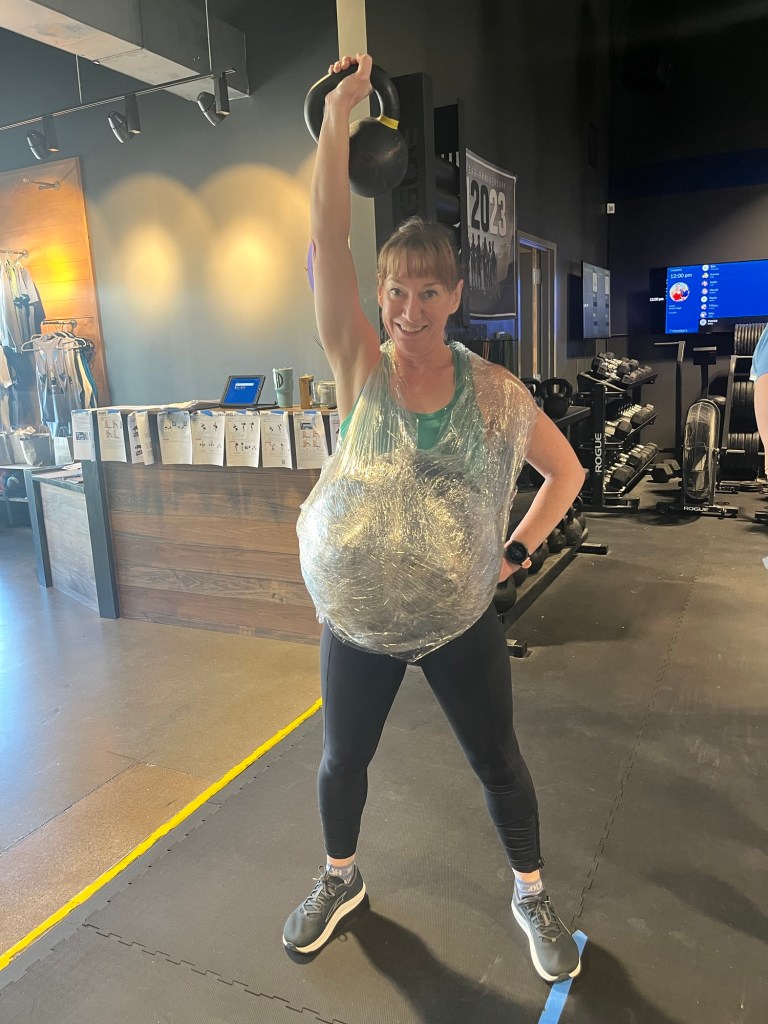
I recently showed up to my gym for what I thought was a regular class, only to find out it was a pregancy inspired workout in honor of one of our pregnant classmates. So we all strapped on wallballs (mine weighed 14 pounds) and proceeded to do a variety of sprints, pullups and kettlebell swings.

It remided me how challenging it can be to exercise with a bump, but also how important it is to stay as active as you can through the process.

Exercise during pregnancy has shown to help reduce excess weight gain, preeclampsia, c-section and the risk for gestational diabetes. Additionally, exercise in pregnancy and phyical activity postpartum can reduce your risk of postpartum depression.

Current recommendations for healthy women by the US Department of Health and Human Services:

  • Healthy women who are not already highly active or doing vigorous-intensity activity should get at least 150 minutes of moderate-intensity aerobic activity a week during pregnancy and the postpartum period. Preferably, this activity should be spread throughout the week {i.e. 30 minutes, 5 days a week as a goal}.
  • Pregnant women who are highly active can continue physical activity during pregnancy and the postpartum period assuming that they remain healthy and discuss with their healthcare provider how and when activity should be adjusted over time.

So how does this translate into real life?

6 Tips for Safe Exercise During Pregnancy

1. Start slow. Even if you haven’t been previously active; walking, pilates  and swimming are great activities that you can safely start during pregnancy. Begin with 10-15 minutes a day and add 5 minutes a week until you reach 30 minutes a day.

2. Don’t fall down. Activities such as horseback riding, skiing, box jumps and hockey which have a high risk of falling or trauma should be avoided after the first trimester.

3. Don’t push it. If during exercise you begin experiencing chest pain, contractions or vaginal bleeding, then stop and consult your doctor. Generally, 25 pounds should be your lifting limit, however, take your pre-pregnancy conditioning regimine into account. An example being a crossfitter who can normally squat 250 lbs could probably lift 150 lbs without straining, whereas a non-athlete may feel strained when lifting 20 lbs.

4. On a scale of 1 to 10, you want to workout with an exertion level of 6 to 7. You want to have your heart rate up, but still be able to talk during the activity. Ideally exercise 30-60 minutes a day.

5. Check with your doctor if you are a professional/competitive athlete {if you work out more than an hour a day} so she can help to determine the safety of your specific situation.

6. Don’t lay flat after 20 weeks. Cardiovascular changes in the body and the position of the uterus reduce the blood flow to the uterus if you lay flat after 20 weeks.

Pregnancy complications that make exercise contraindicated:

  • Heart disease
  • Severe lung disease
  • Cerclage
  • Preterm labor {in current pregnancy}
  • Placenta previa {> 26 weeks}
  • Unexplained vaginal bleeding
  • Preeclampsia

If you are active when you start pregnancy, that is great. Continue your routine throughout pregnancy, if you have no contraindications. If you are not active, look for ways to get moving and incorporate exercise into your daily activities.
pregnancy, Women's Health

Do I Really need the Whooping Cough Vaccine When I’m pregnant?

When I approach the subject of pertussis vaccination with my pregnant patients, I am often met with blank stares. For better or for worse, everyone talks about the flu shot, but many have not even heard of Tdap.  However, in the last 10 years the US had the largest outbreaks of pertussis since the invention of the vaccine in the 1930’s, and sadly, newborn babies are the most vulnerable to the disease.  The vaccine is safe and effective in pregnancy, and giving it in the third trimester can help prevent both the mom and her baby from getting sick.

What is pertussis, and why is it so bad for babies?

Pertussis, also known as whooping cough, is a highly contagious bacterial infection that causes a respiratory illness.  The bacteria infect the lungs and specifically destroy the cilia, which are the tiny hairs that line the respiratory tract that help remove mucous and debris.  As the name so fittingly implies, whooping cough causes a long standing, obnoxious sounding cough. As they gasp for breath in between prolonged coughs, infected people will often make the characteristic “whooping” noise. The coughing spells are so severe, that they will sometimes be followed by vomiting. In adults, the infection rarely requires hospitalization, but the cough can last up to 100 days, which is pretty darn annoying.

Babies on the other hand, really need their cilia to help clear their lungs. Pertussis doesn’t just cause an annoying cough in little ones, it can lead to pneumonia, respiratory failure and even death. Babies are most susceptible to the disease in the first 6 months of life, with most deaths reported in the first 2 months.

 Why is pertussis on the rise in the US?

The vaccination you get in childhood does not provide lifelong immunity, so most adults who haven’t had a booster are susceptible to the disease. In adults the initial illness is very similar to a cold, and highly contagious. By the time an adult realizes they actually have pertussis, they have already infected 40% of people around them. Increased rates of non-vaccinated children also likely play a role.

The current childhood vaccine series recommends multiple doses starting at 2 months to be effective. A middle school booster is also recommended at age 10 and the adult booster is good for about 10 years.

Why vaccinate in pregnancy?

Since 50% of babies who get pertussis are infected by their mothers, the CDC recommends that pregnant women receive the Tdap vaccine each pregnancy, ideally between 27-36 weeks. Not only will vaccination in pregnancy prevent the mother from getting pertussis and accidentally spreading it to her new born, but most importantly, when the mom gets the vaccine, she forms antibodies that then cross the placenta and helps protect the baby from infection in those first pivotal months.

While pertussis is on the rise in the US, the good news is that it is preventable by vaccine, and there are steps that we can take to protect our babies. Pregnant women should get the vaccine in the third trimester of each pregnancy.  If they don’t get it in pregnancy, they can at least get it postpartum. Additionally, the dads, grandparents and health care workers are also recommended to receive the vaccine in order to create a cocooning effect around the baby.

Uncategorized, Women's Health

Staying Strong and Healthy as You Age

 Statistically as women age, they tend to gain weight.  This is caused by multiple factors, not just menopause. Life is busier and more stressful. Overall activity levels decline, and muscle mass can begin to decrease. However, the hormonal changes of menopause and perimenopause, with their tendency to make us gain weight around our midsection, do not help either.

There is no “ideal” body weight. Your goal is to be the healthiest version of yourself as you age. You want to be strong and not frail. You want to avoid osteoporosis, hypertension, diabetes and heart disease. Yes, we all want to look and feel good, but lets focus on our health and not a number on a scale.

Some patients are truly in a unhealthy place. If your BMI is greater than 30 and you have medical conditions affected by your weight, then there is no time like present to accept that you need to find a way to embrace healthy lifestyle changes. The choices you make today will greatly affect your quality of like in the coming decades.

For other patients the extra 10 pounds of perimenopause may be more of a vanity issue. If you have a healthy BMI and no medical concerns, then you have to decide if you are willing to go to the workout and diet extremes it takes to maintain your perceived goal weight or if you can accept your new normal. Most of us in our forties don’t have the time or energy to exercise 2 hours a day and count every calorie that passes through our lips.  

Below are the best evidence based strategies to maintain a healthy weight as you mature in life.

1. Mediterranean Diet

The best eating plan for perimenopause has been debated, but the latest research supports Mediterranean style eating.  This including lots of vegetables and lean proteins.

Daily Goal-

  • 5-7 servings of fruits and vegetables
  • Protein 1- 1.5 g/ day (i.e. If you weigh 100kg then you should eat between 100-150 grams of protein each day)
  • Limit sugar and simple carbs

2. Increase Fiber to 25-30 g / day

Fiber does many things including encouraging healthy intestinal bacteria, helping you feel full longer and reducing constipation.

Some high fiber foods include:

  • High fiber cereal (the most fiber is in Kelloogs Bran Buds)
  • Oatmeal, chia seeds
  • Raspberries, dates
  • Almonds
  • Beans, lentils,chickpeas

3. Good Quality Sleep

Poor sleep adds to elevated stress hormones (cortisol) which can cause you to store fat around your abdomen. Poor sleep also makes you hungrier the next day

Strategies to help with sleep:

  • Reducing alcohol
  • No caffeine after noon
  • No screens for 30 min before bed
  • Taking a magnesium supplement (magnesium glycinate 400mg with evening meal)
  • Taking a warm bath before bed
  • Keeping your bedroom cool or using a cooling bed pad
  • Apps – Headspace. iRest.
  • Menopausal hormone therapy

4. Exercise

We should all be moving our body at least body 30 minutes a day. Walking, Zumba, biking, spin, aerobics, running or whatever works for you. Exercise helps your heart, mood, and sex drive, and prevents osteoporosis.

However, if you are only doing cardio, you will likely begin to lose muscle as you approach menopause, so you need to add some type of weight training to your routine to build muscle and improve your metabolism. If the thought of lifting traditional weights seems boring, intimidating, or not feasible in your schedule there are many other options available. I personally recommend a crossfit style workout because it combines your cardio and weight training, and while it might seem intimidating at first, it can be scalable to all ages and fitness levels. Yoga may be more your style. Types of yoga that really engage your muscles and core (like power yoga or vinyasa) can also help with your strength and metabolism. Yoga has also been shown to reduce other menopausal symptoms like brain fog, hot flashes, and insomnia.

5. Limit alcohol to 1 serving/ day

Your body has less tolerance for alcohol as you age. It can affect sleep, increase risk of osteoporosis and dementia. Much like our food serving size,  alcohol serving sizes have increased over the years. One “serving” of alcohol is 6 oz of wine, 12 oz beer or 1.5  oz of liquor. 

6. Supplements

There is a lot of misinformation about supplements, especially in menopause. Currently the only recommended supplement is Vit D 800 IU/ d.

Ideally you should try to get 1000mg/d (premenopause) or 1200mg/d (postmenopause) of calcium from your diet. If you are not able to get adequate calcium from your food intake, then a calcium supplement is recommended as well.

Tip: Low fat Greek yogurt and cheese are great sources of calcium and protein.

Perimenopause is awesome opportunity to set a healthy tone for the second half of your life. It’s not a time for yo-yo diets and self loathing, but a time to objectively look at your health and make the best choices you can. Increase your veggies, put down that second glass of wine, add in some weight training and see your PCP for a check up; because you only live once and you want that once to be an awesome healthy fulfilling life.

Resources:

“MyFitnessPal”  is a free app that will allow you to track your fiber/ protein/ calories.

Weight Loss for the Last Time by Dr. Katrina Ubell has good strategies for making healthy habits and dealing with stress eating. (I don’t agree with her recommendation for intermittent fasting.)

Menopause Manifesto by Dr. Jen Gunter. Good overall menopause information.

pregnancy

Best Treatments for Constipation During Pregnancy

Pregnancy can be a beautiful, glowing, almost magical experience at times. Then other times, not so much; like when you are so constipated it feels like you are pooping glass. Constipation is an extremely common symptom of pregnancy thought to be caused by the slowing of the gastrointestenial tract and then pressure on the colon from the enlarging uterus. Constipation in pregnancy is extermely common and can lead to wporsening hemprrhoids and painful retctal fissures. The good news is it can usually be treated with dietary changed and medication that are safe in pregnancy.

  1. Drink your water. Your body needs moisture to process the waste of your colon, so getting adequate fluid intake is goal number one. If you struggle with constipation you should aim for 60-80 oz of water a day.
  2. Eat more fiber. Adults should aim for 25 g of fiber a day in their diet. Common food sources of fiber include:
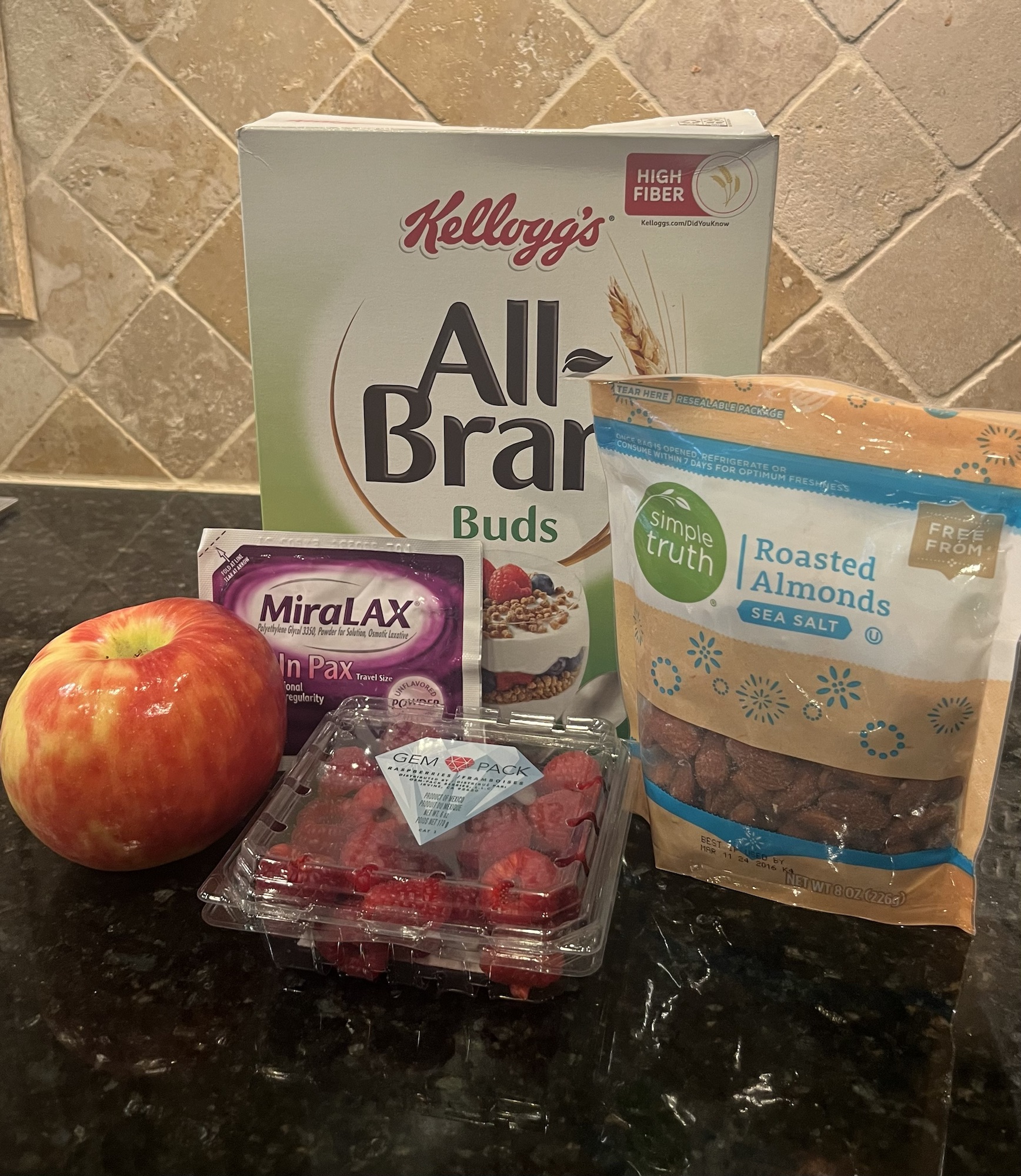
    • Fiber cereal (Kellogg’s Brans Buds has the most fiber that I have found)
    • Oatmeal, chia seeds, quinoa
    • Berries (specifically raspberries)
    • Almonds
    • Dates, prunes, prune juice
    • Beans, lentil, chick peas
  3. Take a fiber supplement or can use this do-it-yourself version that has been studied in pregnancy and works well:
    • Mix together and take 2 tablespoons twice a day 
      • 1 cup unprocessed wheat bran or millers bran
      • 1 cup applesauce
      • ¼ cup prune juice
  4. Exercise. Exercise is good for most everything, including your colon. It is recommended to get 30 minutes of aerobic exercise a day during pregnancy. Walking, jogging, elliptical or whatever your cardio or choice. The goal is an exertion level of 6-7, so exercising to the point you are breathing heavy but not to the point that you cannot talk.
  5. Coffee. It is considered safe to have up to 200 mg of caffeine a day, so if coffee helps you go, then that is still an option.
    • Docusate sodium (Colace) 100mg ; 1-3  daily
    • Polyethylene glycol (Miralax)
  6. Stool softeners: You can take stool softeners daily throughout pregnancy if needed. If you struggle with constipation you likely will want to start on these daily and not wait until you have severe symptoms.
  7. Laxative: If you have tried all the above and you are still struggling, Magnesium Hydroxide (Milk of Magnesia) is another option. Warning this medication may cause more cramping and a more “aggressive result”.

If you try these options (you can also combine them) and still are not getting relief; then talk to your doctor, as their are prescrition strength options as well for constipation if needed.

OB/GYN, Uncategorized, Women's Health

Do I have PCOS?

September is PCOS Awareness Month and with 5 % of  reproductive age women affected, I plan to bring you several posts this month on this often confusing diagnosis.

Polycystic Ovarian Syndrome is a misnomer. It is not an ‘ovarian syndrome’ at all. The root cause of PCOS is a combined genetic and metabolic issue. The majority of women with PCOS are insulin resistant. When sugars hit their blood stream, their body requires extra insulin to process the sugar. The higher levels of insulin have several effects in different areas of their body, including disrupting the hormonal balance of the ovaries and the communication between the ovaries and the brain that trigger ovulation.  This hormonal mix up causes the ovaries to release too much male hormone, leading to lovely features like acne, abnormal hair growth and even male pattern baldness in extreme cases. The extra male hormone gets converted to excess estrogen in the fat cells, which further prevents the normal hormonal fluctuations.

It is much harder for women with PCOS to lose weight and keep it off, due to their body’s resistance to insulin. As they get heavier, the fat cells themselves secrete additional hormones that worsen the insulin resistance.  Essentially, the more weight a woman with PCOS gains, the harder it is to loose the weight. This helps explain why 80% of women with PCOS are obese.

PCOS tends to run in the family.  In studies of identical twins, if one twin has it, there is a 70% chance the other twin will have it as well. This leads us to think that the abnormal insulin metabolism is caused by an inherited genetic defect.

Despite the hormonal imbalances going on in the body with PCOS, the ovary tries its best to ovulate. Much like the “Little Engine That Could” the ovary desperately attempts to make its eggs grow each month, but rarely will it mange to get an egg mature enough to fully ovulate. This leads to a swollen ovary with multiple tiny cysts of immature eggs (follicles). The PCOS ovary stays enlarged and swollen, but the ‘cysts’ associated with PCOS are multiple tiny cysts; not the large painful kind that women often need to be surgically removed.

PCOS is syndrome based on a series of symptoms. There is not a single test you get that gives you a definitive “positive or negative” therefore the diagnosis can be subjective. There are varied criteria used for PCOS by different medical organizations and in the past the European definition differed from the US version.

The most common definition of PCOS in the US is a patient who meets 2 of the following 3 criteria:

1. Anovulation (Women who have irregular periods and do not ovulate regularly)

2. Evidence of elevated male hormone (either lab work or symptoms)

3. Enlarged ovaries on ultrasound with multiple tiny cyst.

The classic patient with PCOS is overweight, with most of their obesity in their abdomen. Weight loss is extremely challenging due to their body’s insulin resistance. Their cycles are sporadic, every 2 to 3 months. They struggle with fertility due to their ovary’s inability to ovulate despite its best efforts. They get the added bonus of often needing to wax their chin way more than their friends. PCOS is a challenging condition but the good news is, it’s manageable. In my next post I will look at the different ways to manage your symptoms and therapies to help fertility.

pregnancy, Women's Health

Top Treatments for Nausea in Pregnancy

The majority of women will experience at least occasional nausea during the first trimester, with about 2% experiencing severe daily vomiting. Symptoms usually peak at around 10 weeks as pregnancy hormone levels peak and then slowly improve over the next few weeks.

Because morning sickness is usually at the top of a mommy-to-be’s list of concerns, I wanted to offer my best advice for dealing with this unwelcome side effect of pregnancy.

As a starting strategy, eat small meals throughout the day. Stop before you are full, and try to eat again before you are hungry. High carbohydrate meals seem to be the most helpful. Sucking peppermint candy has been shown to reduce nausea after meals. Keep crackers beside your bed so you can eat them before you get up in the morning. Getting up very slowly can also be helpful.

Some women will have specific foods or smells that trigger the nausea. If you know what the troublesome foods are then you can plan ahead and avoid them. In general steer clear of spicy, rich or fried foods. Other women will experience nausea with brushing their teeth (but please don’t avoid this one!) or other activities like pumping gas.

Try to to take your prenatal vitamin at night with a small snack.  If the vitamin still causes nausea, then switch to one without iron.  It is very important to get adequate folic acid during the first trimester. So if you can’t hold down an entire vitamin, try a folic acid supplement.

If the nausea is not improving, the next option would be a combination of Vitamin B6 (10 mg) + doxylamine (10 mg…like Unisom) taken every 6 hours as needed. It is safe and is available over the counter. Obviously a sleeping pill may make you tired, but it does help the nausea. Natural ginger supplements have been shown in some studies to reduce nausea. Dramamine “natural” is a ginger supplement that you can find at most pharmacies.

Another great option is the Relief band.  It is a medical device that is worn on your wrist that feeds an electrical impulse through the nerves in your arm that modulate the nausea centers of your brain and stomach. It is FDA approved and drug free. You do need a prescription from your provider.  Several of my patients have gotten significant improvement from this device.

If you’ve tried these tips and you’re still vomiting regularly or find your nausea incapacitating, then please call your doctor’s office. There are several prescription medications that can help reduce the nausea.

Reasons that you may need to be seen urgently are: vomiting blood, dehydration that results in decreased urination, or not being able to hold down anything for 24 hours.  Please let your provider know if you have these symptoms.

I found nausea to be the most challenging symptom in my own pregnancy. I found that keeping snacks close by during the day was helpful. At times, I took the anti-nausea medication in order to function and found it helpful. I would love to hear from our readers about any other helpful hints or products they found beneficial.

As always, we encourage you to discuss these remedies with your doctor so together you can determine what is best for you.


pregnancy, Women's Health

SEX AFTER BABY: WHEN DOES IT GET BACK TO NORMAL?

When I see moms at their 6 week postpartum visit I discuss resuming sexual activity. As I broach this topic, I am greeted by a variety of responses, as different as the women themselves. Some laugh and say they have already resumed activities and all is good. More often, they give me a blank stare that says, “Are you kidding? I haven’t slept in weeks. I am constantly coated in spit up and you want me to think about nookie?” Whatever their initial attitude, I know that statistically by 3 months postpartum 90% of women have resumed sexual activity.

After you are fully healed and resume activity there is still a transitional time until things return to your new normal. Notice I said ‘new normal,’ because after children everything is different. Not necessarily worse or better, just different. If you keep waiting for your love life to be exactly how it was before the baby, you need to adjust your ‘sex-pectations.’

Before you resume intercourse, it is important to be cleared by your doctor that all is good ‘down there’. If you resume activity before you are fully healed it can prolong the healing process.

Will sex hurt after having a baby? If so, for how long?

This depends on the type of delivery. Most women experience some discomfort for 3-6 months. A vaginal delivery with no tears and a cesarean section without labor usually have the least pain. More severe vaginal lacerations often take the longest to fully recover, up to 6 months.

The most common types of pain are burning with insertion and sharp pain with deep thrust. The pain should get better with time and practice. Regularly using a water based vaginal lubricant during the postpartum period is a must. If deep pain is an issue, trying positions were the woman controls the depth of penetration is key.

While breastfeeding, the body’s estrogen levels are low, leading to vaginal dryness and decreased lubrication for a lot of women. If you continue to have pain and dryness despite lubricant, see your physician.  A small amount of estrogen vaginal cream can be prescribed to help restore your hormonal balance and improve lubrication.

When will I get my ‘groove’ back?

The most common sexual issue that women have postpartum is a lack of desire. The incidence of low libido at 6 months postpartum is 44%.   However, only 10% reported being bothered by their lack of desire. For a lot of women, just knowing that it’s normal to not feel like swinging from the chandeliers when they are 6 months postpartum, is reassuring.

Usually after the first couple of encounters the pain will decrease and you should enjoy lovemaking again. If you enjoy sex when you have it and it doesn’t hurt, that’s a great start.  It’s OK that you don’t necessarily spend all day thinking about it.

Attempt to set aside a scheduled day and time for intimacy. Notice I said ‘intimacy’ and not just sex. For women, it is important to have time to connect with her partner, to help her feel more amorous.  And for any guys reading this: helping with the laundry and letting the new mom take a nap is the BEST form of foreplay.

OK. It’s been 6 months and things STILL aren’t good. What’s next?

If at six months you are still having pain or not enjoying sexual intimacy then it is time to see your doctor.

Depression. If in addition to lack of sexual desire, you are also not enjoying any other hobbies, are feeling down and having crying spells, this could be a sign of postpartum depression. Talk about these feelings with your doctor.

Medications.  Certain medications that treat high blood pressure, depression and contraceptives can affect sex drive.  If you are on medications, do not discontinue abruptly but instead talk to your doctor to determine if these could be affecting your libido. If so, request a change to an alternative treatment.

Fear of pregnancy. When you have been up all night with a colicky newborn, if you do start to feel a little amorous, the thought of getting pregnant again can sometimes be enough to nix any ‘vavoom’ that you had percolating. Women often fear contraceptives might effect their breastfeeding, but there are multiple options that are both safe and effective.

While it’s normal to not feel super sexy in the postpartum phase, things will get better. Most women are back in the swing of things by about 3 months, but if you continue to experience pain and lack of sexual enjoyment at 6 months, follow up with your doctor for help.

(Originally posted on the Pregnancy Companion Blog)

pregnancy, Women's Health

Should I Get Membranes Stripped?

“Would you like me to strip your membranes? It hurts, but it might help put you into labor”  is a question I often ask when a woman’s due date has come and gone.

The patient will usually pause and mentally weigh the misery of her current pregnant state versus the suggested discomfort of said, ‘membrane stripping.’

“How exactly do you do it?” she will inquire skeptically.

I explain. When I check a woman’s cervix, I insert my finger through the cervix to touch the bag of water and/or babies head. By doing this I can determine the dilation (how open the cervix is) and effacement (how thin it is). To strip (or as some more nicely say it, ‘sweep’ ) the membranes, the finger is inserted further in the uterus and rotated in the space between the bag of water and the uterus. This causes the release of proteins called prostagladins which help bring on contractions. Studies show that membrane stripping has a 20% chance of bringing on labor within 24 hours.  It may be as high as 50% if combined with intercourse (semen also contains prostagladins).

Membrane sweeping is not an induction method, it’s a way to get the body to kick into labor on its own. It does not increase the risk of infection, but like I said, it does hurt. How much? Every woman’s pain tolerance is different, but I’ve heard nice Baptist girls curse after a good sweeping.

After having your membranes stripped, you will likely have some spotting and mucous discharge for about 24 hours. This of course, totally puts you in the mood for the aforementioned ancillary to the sweeping: intercourse.

If your overall pregnancy misery outweighs the temporary discomfort of membrane stripping, you may just want to go for it. No, we can’t be for sure it will work, but it may help.  I would advise to not shorten the term to just ‘stripping’ as the following quote was overheard in my waiting room recently, and was a little disturbing:

“Doctor Rupe is great. She does the best stripping, it puts me into labor every time!”

pregnancy, Women's Health

TOP TEN TIPS FOR TWIN PREGNANCIES

Telling a couple that they are having twins is one the best things about my job. Watching their faces as the meaning of my words takes effect is priceless. With twin pregnancies on the rise due to increased use of fertility medication and older maternal ages, I get to tell the exciting news often. Currently 3.3% of births in the US are multiples.

Luckily in this age of ultrasound technology, women usually know fairly early in their pregnancy, so they can start planning right away. Here are some helpful hints for those who are going to be needing a double stroller:

TOP 10 TIPS FOR TWIN PREGNANCIES

1. Eat for 3. Twin pregnancies require an additional 600 calories a day. So a 5′ 5″ women who weighs 140 at the start of her pregnancy will need about 2500 calories a day. That doesn’t mean 2 extra Snickers bars. Focus on getting your 5-7 servings of fruits and vegetables a day. Also, eat lean proteins throughout the day to help prevent hypoglycemia. A prenatal vitamin with at least 1 mg of folic acid and an iron supplement is encouraged for all twin pregnancies. Weight gain is recommended to be 37-54 pounds for a mom with an normal BMI.

2. Don’t fret your belly size. In The Pregnancy Companion, we talk a lot about worrying over your belly size. ‘Helpful’ friends and neighbors tend to constantly comment on the size of your belly. One neighbor comments you are too large, later the same day a co-worker will think you are too small. It’s also hard to not compare yourself to other preggos who are at the same point in their pregnancy. The shape of your pregnant belly really depends on your body type and how many babies you have had. If this is your first pregnancy and you are tall with a long torso and firm abs, you may not show until after 20 weeks.  If you have a short torso and this is your third baby, you may be in maternity clothes before you get out of the first trimester. Your doctor will be monitoring your size carefully, so listen to her, and not your mother-in-law.

3. Stay active as long as you can. Gestational diabetes is caused by the placenta secreting an anti-insulin hormone, so with twins you have twice the placenta and therefore an increased risk. Twins do often mean bed rest later in pregnancy, but not always.  Stay active as long as you can to help keep up your muscle tone and reduce your risk of gestational diabetes. Stay in communication with your doctor about your amount of activity. Even if your pregnancy is complicated by partial bed rest, ask your provider if you can continue yoga and pilates to help reduce back pain and hopefully maintain  muscle tone.

4. Buy Tums in bulk. Most pregnancy symptoms are amplified in twin pregnancies. Heartburn tends to be one of the worst. Often women will go directly from their first trimester nausea to heart burn.  The hormones of pregnancy cause relaxation of the valve between the stomach and the esophagus. Add in that two babies are pushing your stomach up towards your esophagus instead of just 1, and you get a wonderful burning sensation in your chest complete with disgusting sour taste in your mouth. Tums are safe in pregnancy but you will often need stronger meds, so talk to your provider if Tums isn’t holding your symptoms.

5. Lay on your side. It’s usually recommended to start sleeping on your side after 20 weeks, but with twins 16 weeks is more realistic. The growing uterus can compress your blood vessels, reducing the blood return to your heart, and making you feel weak or dizzy. Swelling may also start earlier than normal. Stay active, reduce high-salt foods and invest in compression stockings early on.

6. Prepare early. 60% of twin deliver before 37 weeks, but luckily only 10% are born before 32 weeks, where the major complications of prematurity usually occur. Schedule your baby showers early and try to have your nursery ready by 30 weeks. Have a few preemie outfits on hand, but keep the tags on all clothes since you are not sure what size they will be when you bring them home.

7. Accept all help. I know people always say this, but with twins, this is REALLY true. Start a list of things you will need: dinners, laundry, diapers. When anyone asks what they can do to help, even if you don’t think they mean it, assign them a task.  If it’s someone you don’t really want coming to your house to scrub your tub, ask for diapers. If you can in anyway afford it, budget for a housekeeper during the first 2 months postpartum. I think this goes for all pregnancies, but for twins especially.

8. Find your support system. Whether it’s your MOPS group, Sunday school, family or neighbors, know who you can count on for help. Seek out other moms of multiples before delivery to find out tips. Meet Up, Google, Facebook are all at your fingertips to find groups of moms who know what you are going through.

9. Find good resources. Those who follow the blog know that I had a twin adoption fall through. During the months that we were preparing to parent twins I read multiple books. The best was Juggling Twins by Meghan Regan-Loomis. This book is absolutely hilarious and chock full of helpful hints, from pregnancy through the toddler years.

10. Don’t let twice the babies equal twice the worry. As soon as you find out you are having twins, most of you will immediately hit Google. This will fill your mind with all the complications that can happen in twin pregnancies. Twins are high risk. Your doctor will watch you closely to make sure the babies are growing well. She will watch for preterm labor and high blood pressure. Twin pregnancies have bumpy parts and miserable moments, but 90% of twin pregnancies do make it past 32 weeks, resulting in healthy happy babies.

pregnancy, Women's Health

THE BEST TIME FOR BABY #2. . .

With all of my patients, as they enter the third trimester, I discuss what their contraceptive plans are for after the baby is born.

Many smile a beautiful, blissful, glowingly pregnant smile and say, “Oh no. I don’t think we will ever use contraception again.  Hopefully we will get pregnant again right away!”

Fast forward to their postpartum visit. A sleep deprived, exhausted new mom sits before me. Her first topic of conversation: contraception.  While she is madly in love with her new baby, the thought of having another right away is a little overwhelming. She is not physically ready to go down that road again.

Some women are ready right away. I once had a women ask me at delivery when she could try for another baby. My answer, “Well, you at least have to wait for me to get the placenta out!”

The decision on when to try for your next child, obviously depends on many factors. Finances, age, personal goals and beliefs on contraception are just a few. I was recently asked on our FB page what the ideal timing between pregnancies is from a medical stand point. According to studies looking at pregnancy outcomes, it is best to conceive 18 months to 4 years after your last delivery.

I find it interesting that the ‘optimal’ time for conception of the next child is about 18 months since this is when children are truly at their most adorable. Full of toothy grins and giggles as they toddle around.  This stage of ultimate cuteness entices people to have another baby. They then proceed to conceive before their child hits the ‘terrific twos.’ Which while adorable, at least in my house, is a challenging time.

Pregnancies conceived less than 18 months since the last delivery have an increased risk of preterm delivery and low birth weight. Pregnancy takes a lot out of your body, and it takes time for a woman to recover from the stress and for her nutrient supplies to get back to normal. The theory is that the body has not fully recovered at less than 18 months causing the baby’s extra risk of not growing as well (low birth weight). The risk of preterm delivery is further amplified in teens who conceive again quickly, since teens have often used their nutritional supplies on their own growth as well as their baby’s.

VBAC: Women who attempted a trial of labor after a cesarean section have an increased risk of uterine rupture if the pregnancies are less than 18 months apart.

Pregnancies conceived less than 12 months since the last delivery have an increased rate of placental abnormalities, such as placenta previa and placental abruption. Placenta previa is a condition where the placenta covers the opening of the cervix making vaginal delivery unsafe and increasing the risk of hemorrhage. Placental abruption occurs when the placenta begins to detach from the uterus before the baby is delivered.  It can result in hemorrhage and fetal distress.

Pregnancies conceived less than 6 months from delivery have an increased rate of neural tube defects and autism. Neural tube defect is associated with low maternal folate levels, so most likely in pregnancies less than 6 months apart, the mother has not had time to fully replenish those supplies.

Pregnancies conceived greater than 4 years from the last delivery  have an increased rate of preeclampsia, fetal growth restriction and cesarean section. It is unsure why this increased risk is seen other than the possible health changes in the mom over this time.

The actual ‘increased risk’ in each of the cases is statistically significant but overall low for the average woman. Take preterm delivery, the risk increase with conceiving early is 20%. For the average mom with no history of preterm birth, this changes her risk from 1% to 1.2%, which is negligible. However, a woman with a previous preterm delivery sees her risk go from 15% to 18%. These increased risks are most significant for those moms who already have risk factors for these conditions.

For the average healthy mom with no medical problems and a vaginal delivery, the increased risks of these complications with conceiving again soon are extremely low. Women with a cesarean section should wait 18 months for their scar to fully heal, especially if they desire a trial of labor (VBAC). Those with a history of pregnancy complications listed above are advised to wait the suggested interval before conceiving.